
The Me-to-We Playbook: How I Turned NIL Deals Into Community Value
On Lisa Kay Solomon's How We Future, we talked about civic tailgating, community value in NIL deals, and what Congressional testimony taught me about who's missing from NIL conversations.


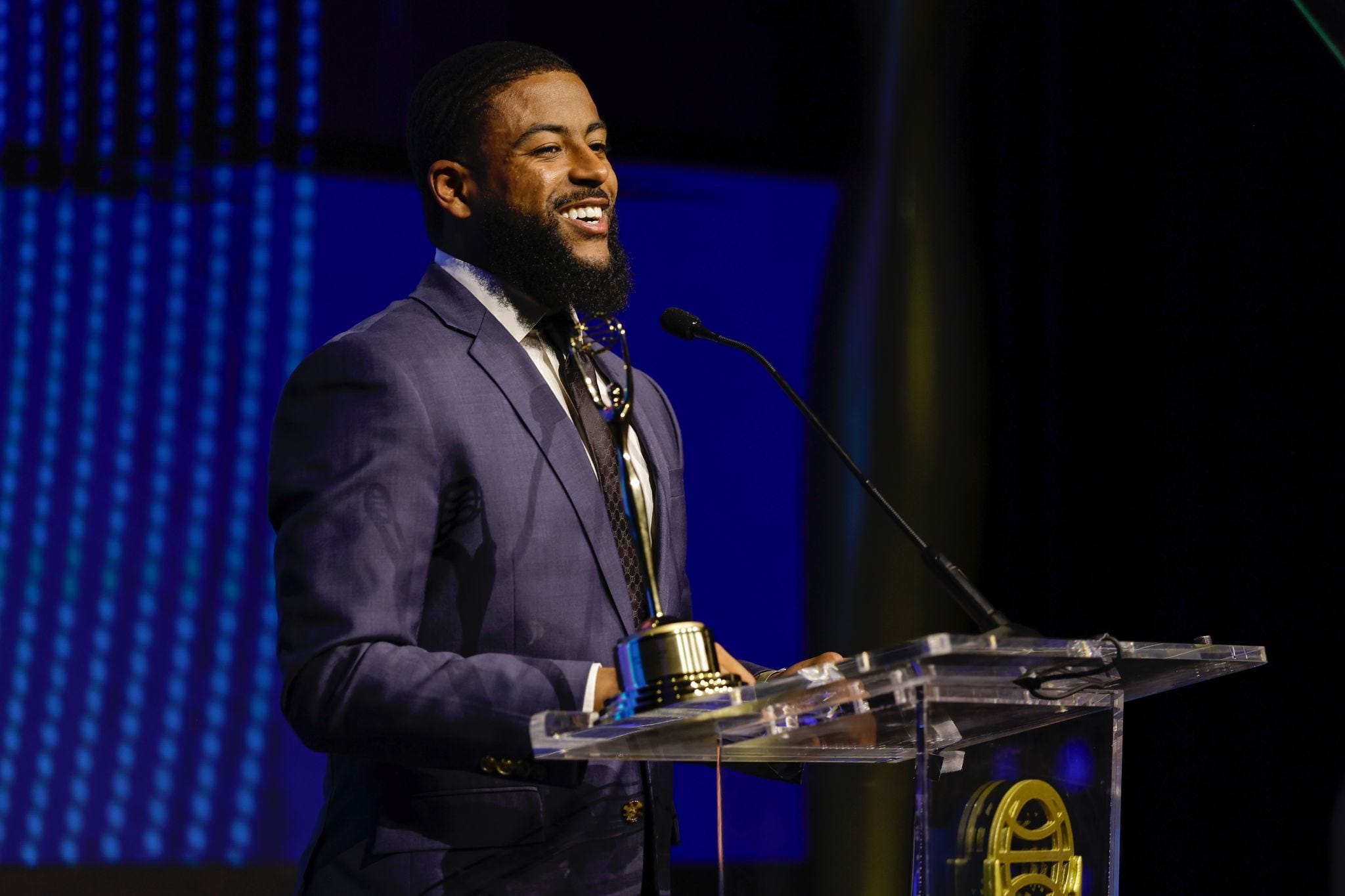
Last week I sat down with Lisa Kay Solomon for her Substack How We Future and podcast, How We Future. Lisa has spent her career studying how values-driven leaders build futures worth inheriting and she was generous enough to spend an hour on the playbook I ran in my time at UCLA: writing community value into every NIL deal I signed, and now, as an alum, building the infrastructure to help the next generation of athletes do the same.
The conversation centered on what Lisa calls the “me to we” move: taking a personal opportunity and designing it so the surrounding community wins too. She pulled three examples from my playbook that I want to go a layer deeper on here and then add one thing I didn’t get to say on the record.
1. Build on what already works.
In 2020, when I wanted to mobilize UCLA athletes to vote, I didn’t start a new organization. BruinVote was already doing the civic work on campus.I partnered with them, brought the model into the athletic department, and added a team-vs-team voter registration competition. Seven teams hit 100% registration.
The lesson carries straight into NIL. Athletes don’t need to build every platform themselves. The real leverage is in finding the infrastructure that already exists: collectives, advocacy organizations, compliance teams, academic support staff, and asking how you can extend what they’re doing, not duplicate it. Most of the time, the answer is yes. People who are already doing good work want help amplifying it.
2. Write community value into the deal.
The principle behind every NIL deal I signed at UCLA was the same: find the structural opening to make the deal bigger than me. The Boost Mobile partnership is the cleanest example. Part of my earnings went to the LA Regional Food Bank. We organized a toy drive. Boost Mobile’s corporate giving arm ended up matching what I put in.
None of that was in the standard NIL template. I wrote it into the structure because I wanted the transaction to create more than a payday and because I kept finding that brands, given the option, preferred the version of the deal that made them look good alongside the athlete. Private motivations and entrepreneurial instinct can be engineered to create community value at the same time. The deal shape determines whether that happens, not the athlete’s intentions after the fact.
The question every athlete should be asking their agent, and every agent should be asking before they send the term sheet: who else could win from this arrangement if we designed it that way?
Most NIL deals I see today don’t ask that question at all. That’s the gap TAB is trying to close.
3. Use your seat at the table for people who aren’t in the room.
When I testified before Congress about NIL legislation in January 2024, I could have told my personal story and sat down. Instead, I named the structural problem: athlete voices have been systematically absent from policy conversations about athletes. That observation is what planted the seed for The Athletes Bureau.
The principle holds beyond policy. Proximity to power is an asset that should be deployed for the people without it. If you’re the athlete who got the room, the deal, or the microphone, the work isn’t just what you say. It’s who you represent while you say it.
What I’d add now.
Lisa’s framework landed for me because it names something I’ve been trying to build into TAB’s DNA: success for you doesn’t have to come before success for others. You can engineer both from the start.
But I’d take it one step further: the “me to we” move isn’t only a value frame. It’s a competitive strategy.
The next wave of NIL won’t be won by athletes optimizing for individual payouts. It’ll be won by athletes, and the institutions supporting them, who design deals, platforms, and data infrastructure that compound across the entire athlete economy. Athletes who keep every learning, network, and deal structure private are leaving the bigger win on the table. The bigger win is the collective one. The market will reward the athletes and programs that figure this out first.
That’s what we’re building here. The Athletes Bureau is the “we” layer I wish I’d had access to trying to figure out my first NIL deal. It’s where we publish the data, the frameworks, and the case studies that turn one athlete’s private education into shared knowlege.
Watch the full conversation with Lisa at How We Future — she’s one of the most thoughtful interviewers working on Substack, and her whole catalog is worth subscribing to.
 | A guest post by
|
Chase, thank you so much for coming on How We Future. I continue to be so inspired by your work ethic, entrepreneurial spirit, and care for the people around you. You embody the "me to we" in every way! Everyone check out Chase on the full episode!
Great stuff Chase!! - Professor Williams